A world nature summit without ocean money – now companies and people count
The UN biodiversity conference COP17 has ended: the goals remain, the money is missing. At the same time, the IUCN classifies almost all of the world's coral reefs as critically endangered. And research shows how bleached corals can be saved. What this means for reef protection.
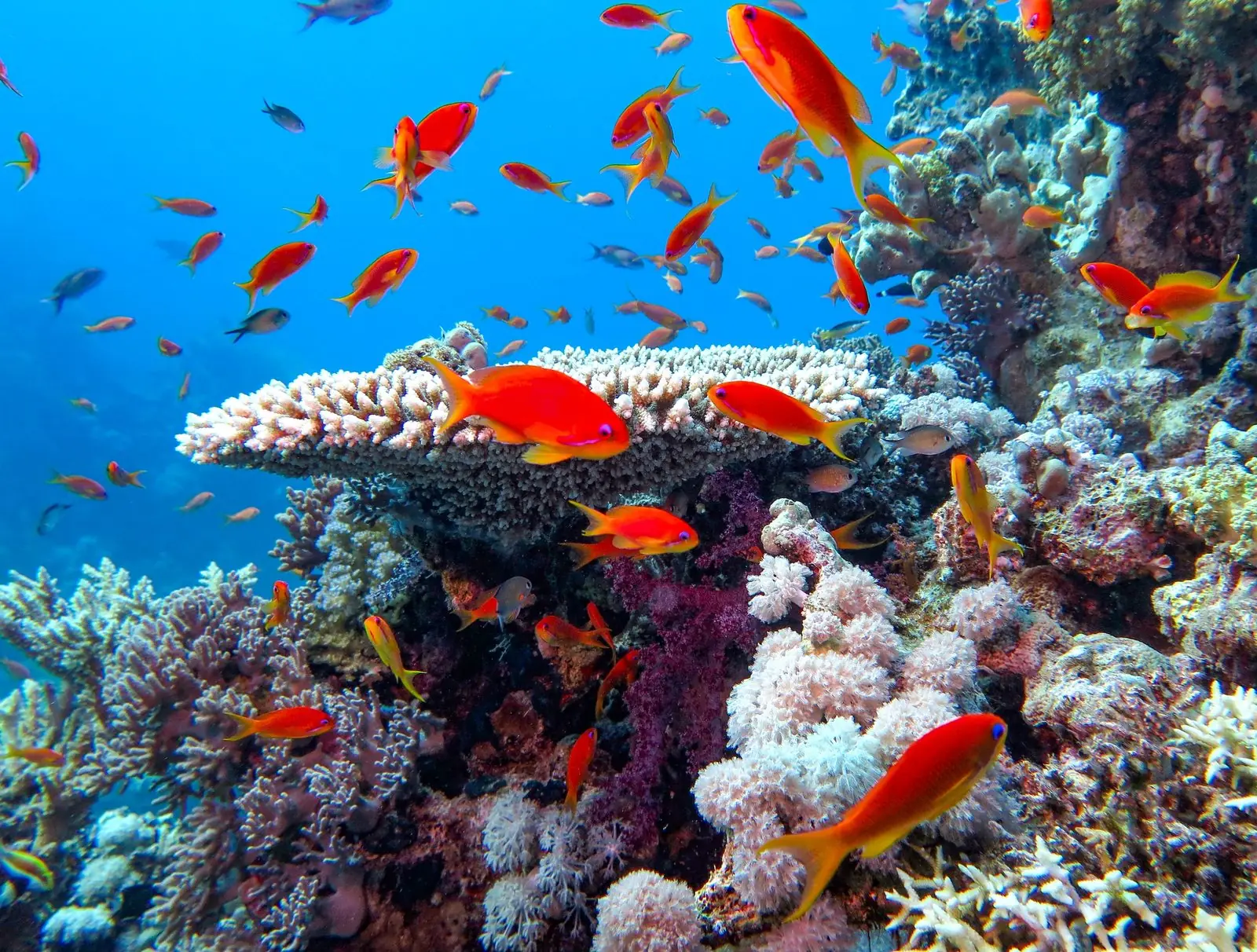
Cover image: Ocean Pure (own or licensed photo)
This week in the ocean
Global · The Manila Times (AFP)
COP17: agreement in overtime – but hardly any new money for nature
After two weeks of talks in Yerevan, nearly 200 countries agreed in overtime on Friday to review progress towards the 2030 goals. There was no breakthrough on money: an estimated 700 billion US dollars per year is missing to protect and restore nature. A fund that companies were meant to pay into for using genetic data has so far received only a token amount. The wording on reforming harmful subsidies stayed vague.
What we take from it
Reef protection cannot wait for large government funds. The gap is filled by companies, foundations and people who want to make a concrete difference. That is exactly why every donation with us is traceable: one coral, one place, one photo.
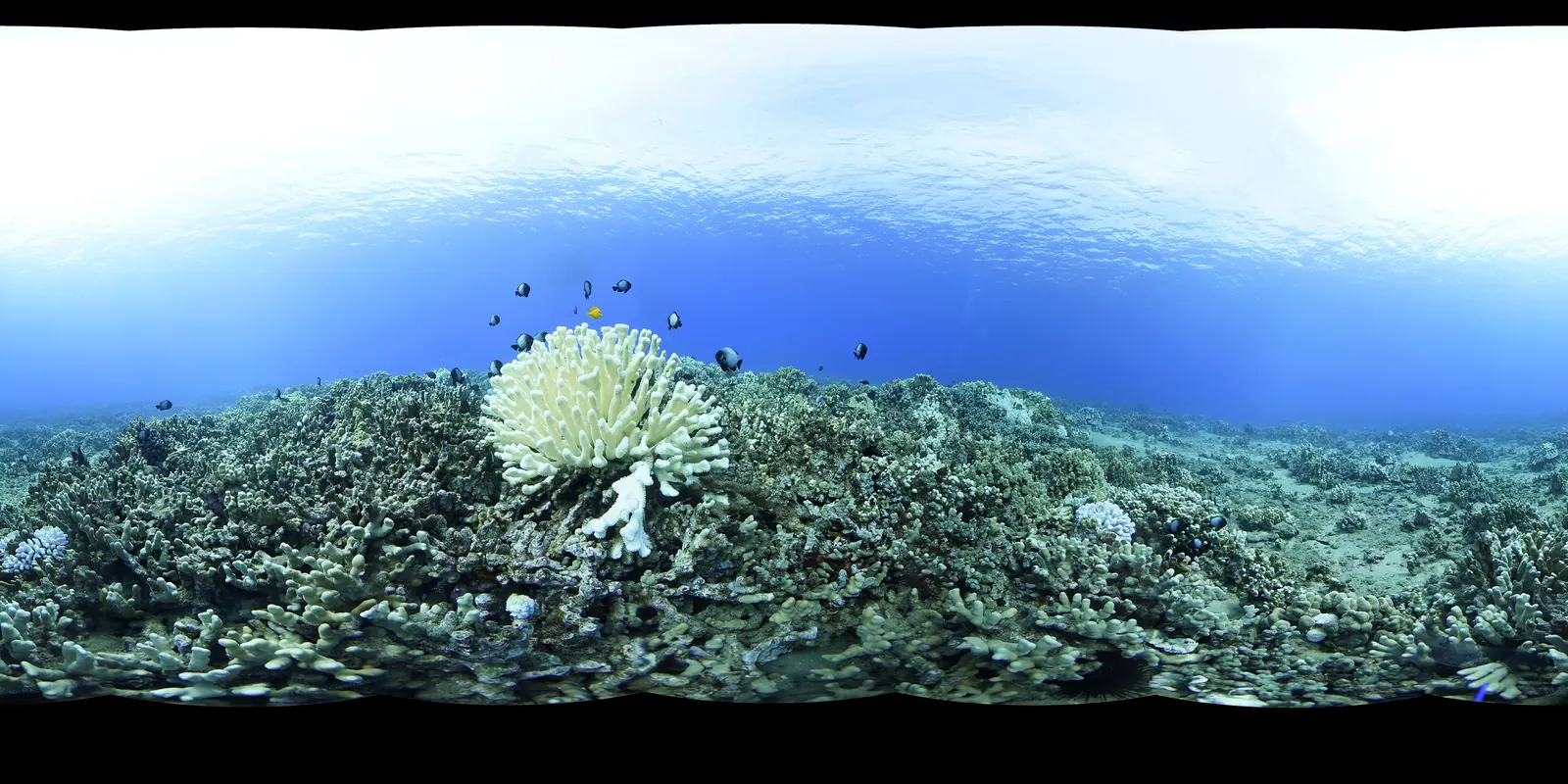
For the first time, the International Union for Conservation of Nature (IUCN) has assessed the world's coral reefs on its Red List of Ecosystems. Of 127 reef systems studied, 122 are critically endangered – with an extremely high risk of collapse by 2075. This includes the Coral Triangle in Southeast Asia, which Indonesia is part of, the Great Barrier Reef and the Red Sea. The main reason is marine heatwaves that are becoming so frequent that reefs can no longer recover in between. Based only on changes over the past 50 years, the figure would be 24% – the rest is projected warming. The IUCN stresses: critically endangered does not mean lost, there is still time to act.
What we take from it
The figure is harsh, but the message is clear: the window is open, and it is closing. Reefs need corals that cope better with heat. That is why we rely on fragments from mother colonies that survived bleaching, and from 2027 on offspring from sexual reproduction – quality over quantity.
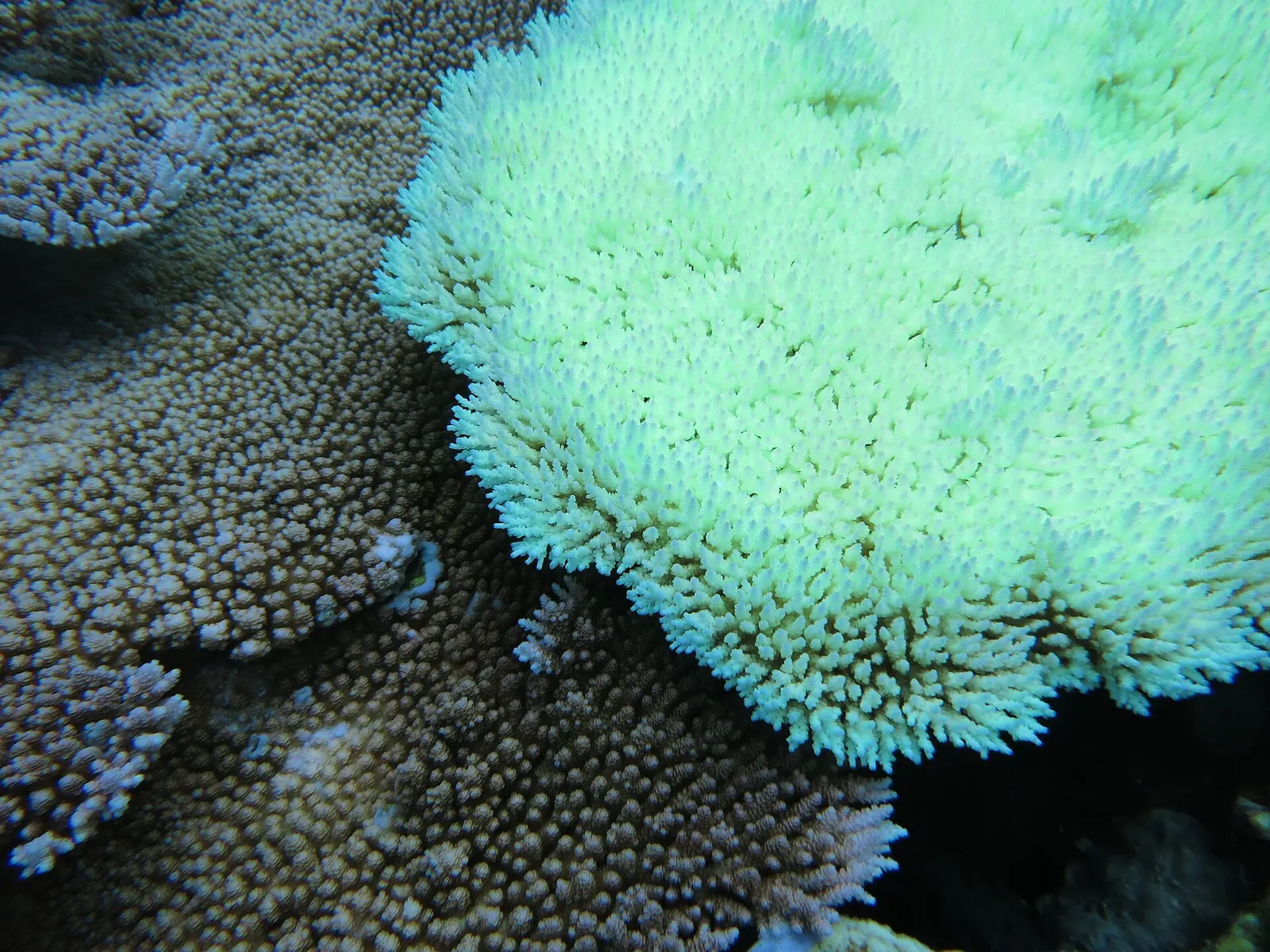
A Stanford University team placed bleached coral fragments in the lab directly next to a healthy fragment of the same colony. Where the two touched, the tissue grew together and the vital algae moved into the bleached coral within days. All fragments with contact recovered fully, the separated ones died. The catch: every bleached coral needs a genetically identical, healthy partner. The researchers now want to find ways to transfer the algae without direct contact. The study was published in Science Advances.
What we take from it
The study shows how much potential lies in healthy "twins". It confirms our approach: our fragments come from mother colonies that have already survived heatwaves.
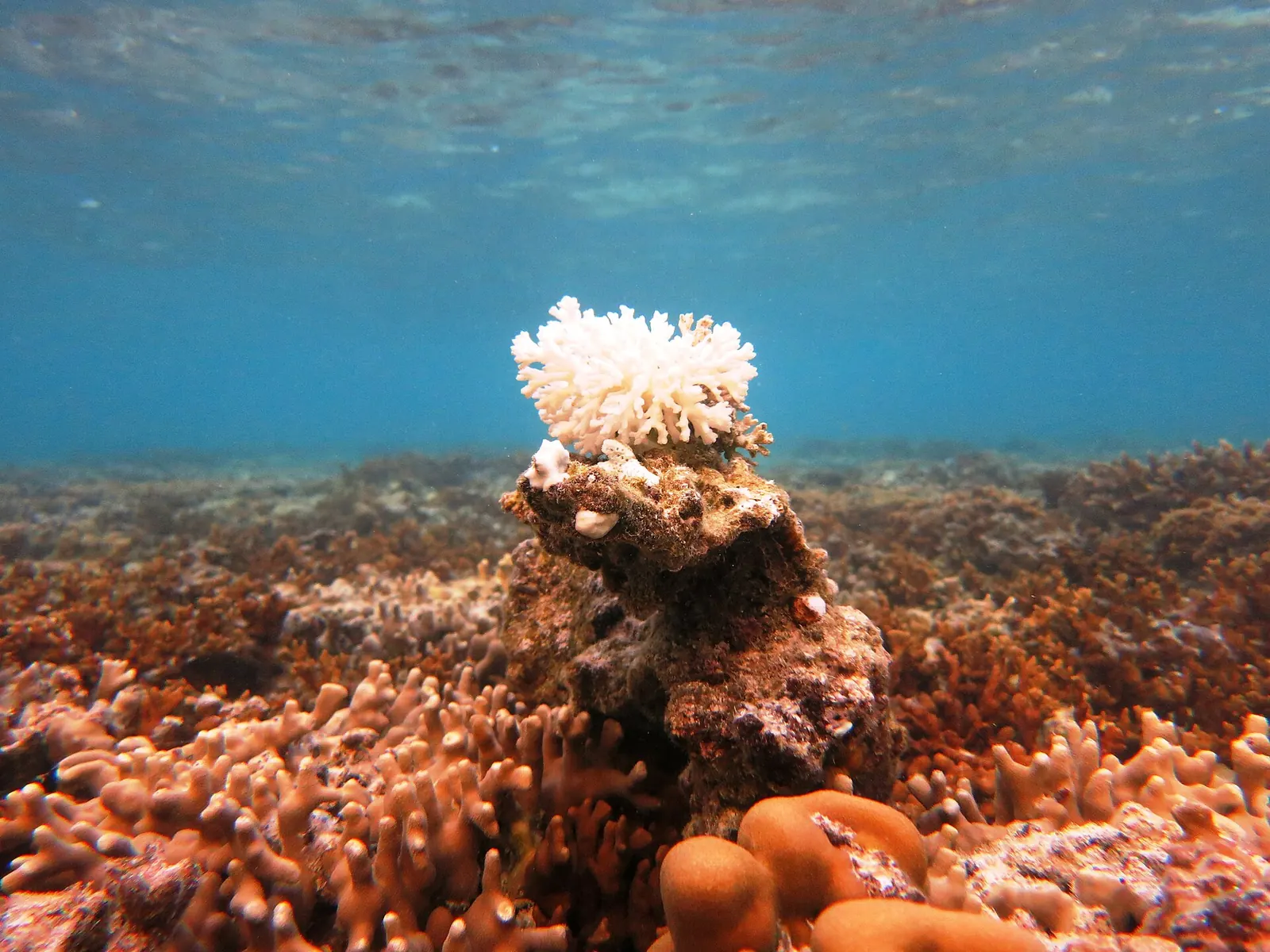
Until now, corals in Okinawa mostly bleached in high summer. In 2025, however, the sea stayed too warm until mid-December – longer than ever since records began in 1985. Peak values were lower than in the record year 2024, but the long duration was enough for severe bleaching. At one site almost nothing was visible in August, while by November around half of the corals at 10 metres depth had bleached. Even species considered heat-tolerant were affected.
What we take from it
Heat stress is not only about the peak value but about duration. That is why it matters which corals actually survived – and why we photograph every CoralCone regularly and show donors how their coral is doing.