Almost every second reef coral is threatened – and a record El Niño is building
A new assessment in Nature shows that 44% of reef-building coral species face extinction risk. The World Meteorological Organization warns of possibly the strongest El Niño since 1950, and in Raja Ampat, at the heart of the Coral Triangle, corals are already bleaching. Plus two stories that give hope: helpful bacteria and coral larvae at scale.
Cover image: Ocean Pure (own or licensed photo)
This week in the ocean
Global · University of Miami News (Nature / IUCN)
Red List: 44% of reef-building coral species face extinction risk
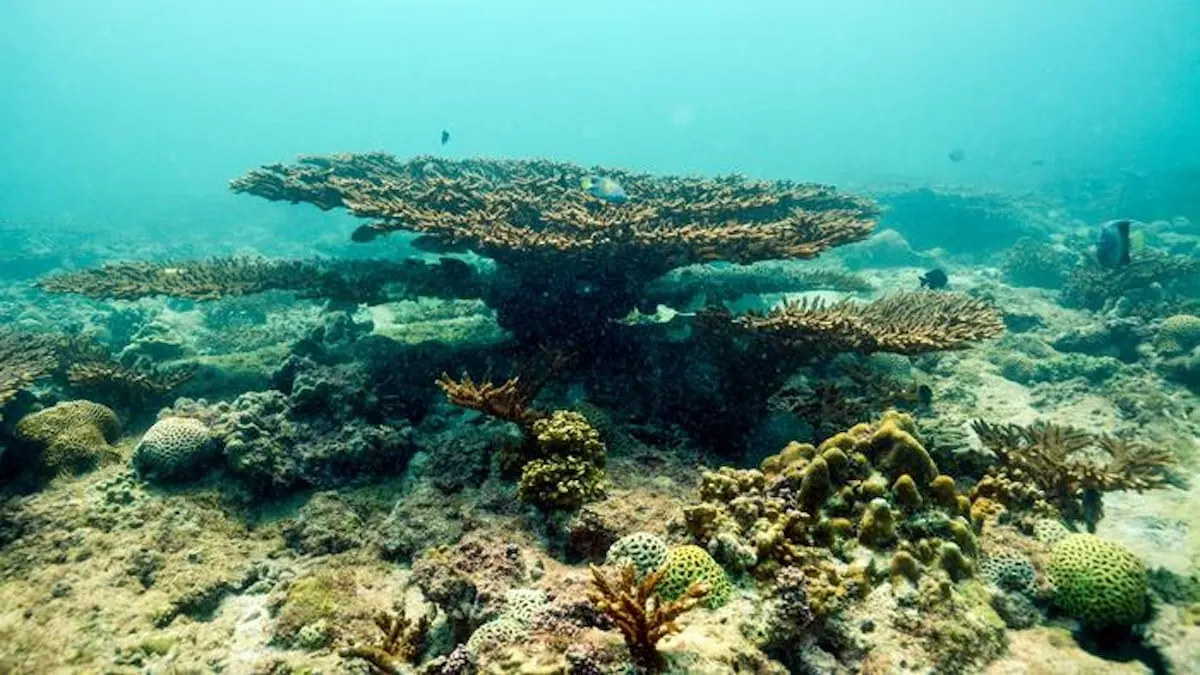
The IUCN Coral Specialist Group has reassessed reef-building coral species, and the study has now been published in Nature. Of 774 species with enough data, 340 are on the Red List, 33 of them critically endangered. In 2008 the share was about one third. In the Indo-Pacific, 191 of 279 Acroporidae species are endangered. For over 90% of the most threatened species, climate change determines their status – and the 2023–2025 global bleaching event is not even included in the data yet.
What we take from it
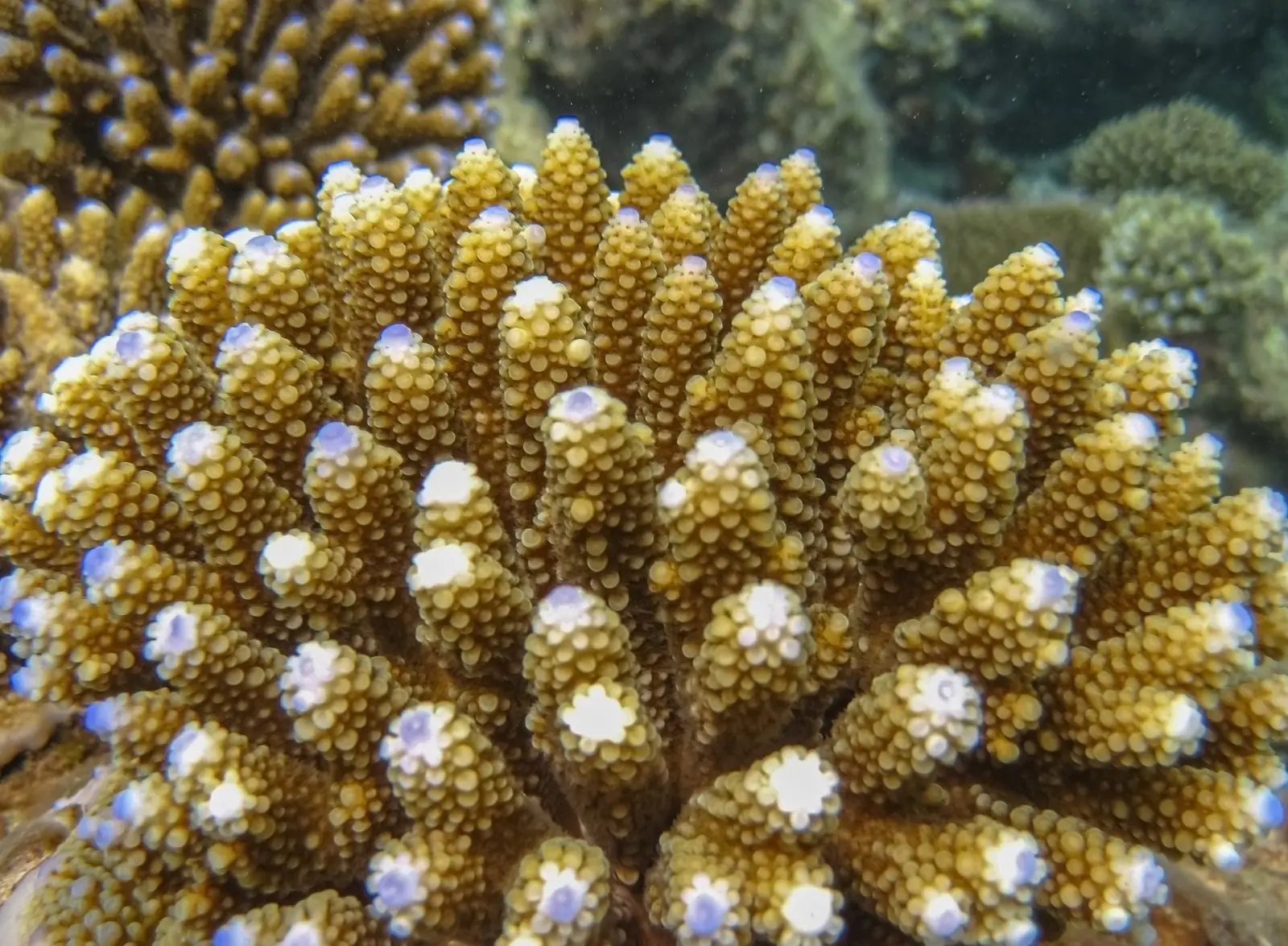
Acropora is one of the most important reef builders in Indonesia – and this is exactly the group hit hardest in the Indo-Pacific. The study shows how much genetic diversity is at stake right now. It also confirms that climate action comes first and restoration complements it. That is why we work with corals that have already survived heat.
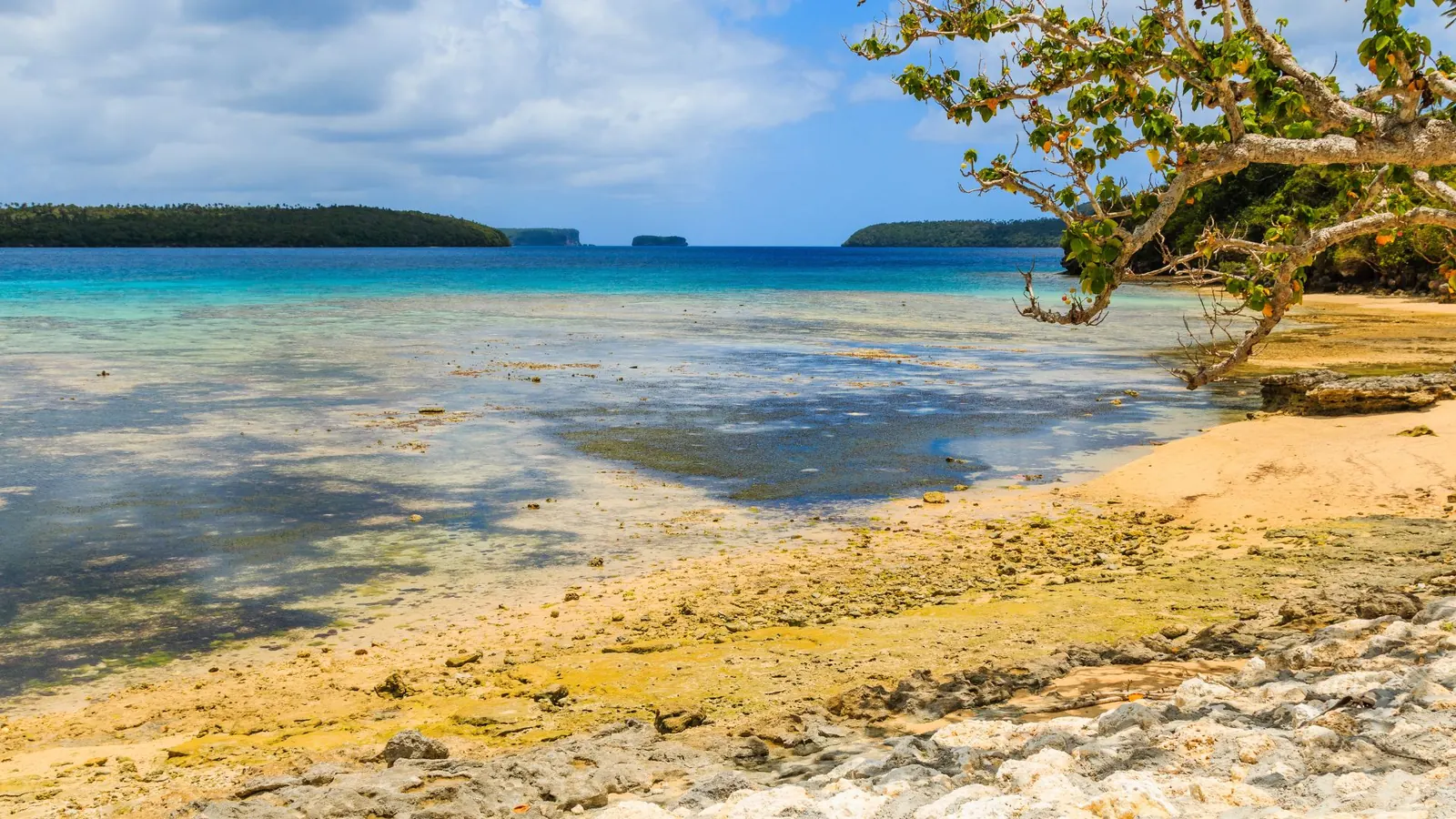
The World Meteorological Organization has published its outlook for the Pacific island states. There is a high chance that the current El Niño will be the strongest since 1950; it is expected to last into spring 2027. Several countries, including Papua New Guinea, Fiji and Tonga, have already reported water shortages. For reefs in central and eastern Kiribati, the WMO sees a bleaching risk until February 2027.
What we take from it
A record El Niño means weeks of renewed heat stress for many reefs. This report from a neutral source shows why corals that can withstand such phases matter. Colonies that have survived a heatwave carry exactly the traits reefs need now.
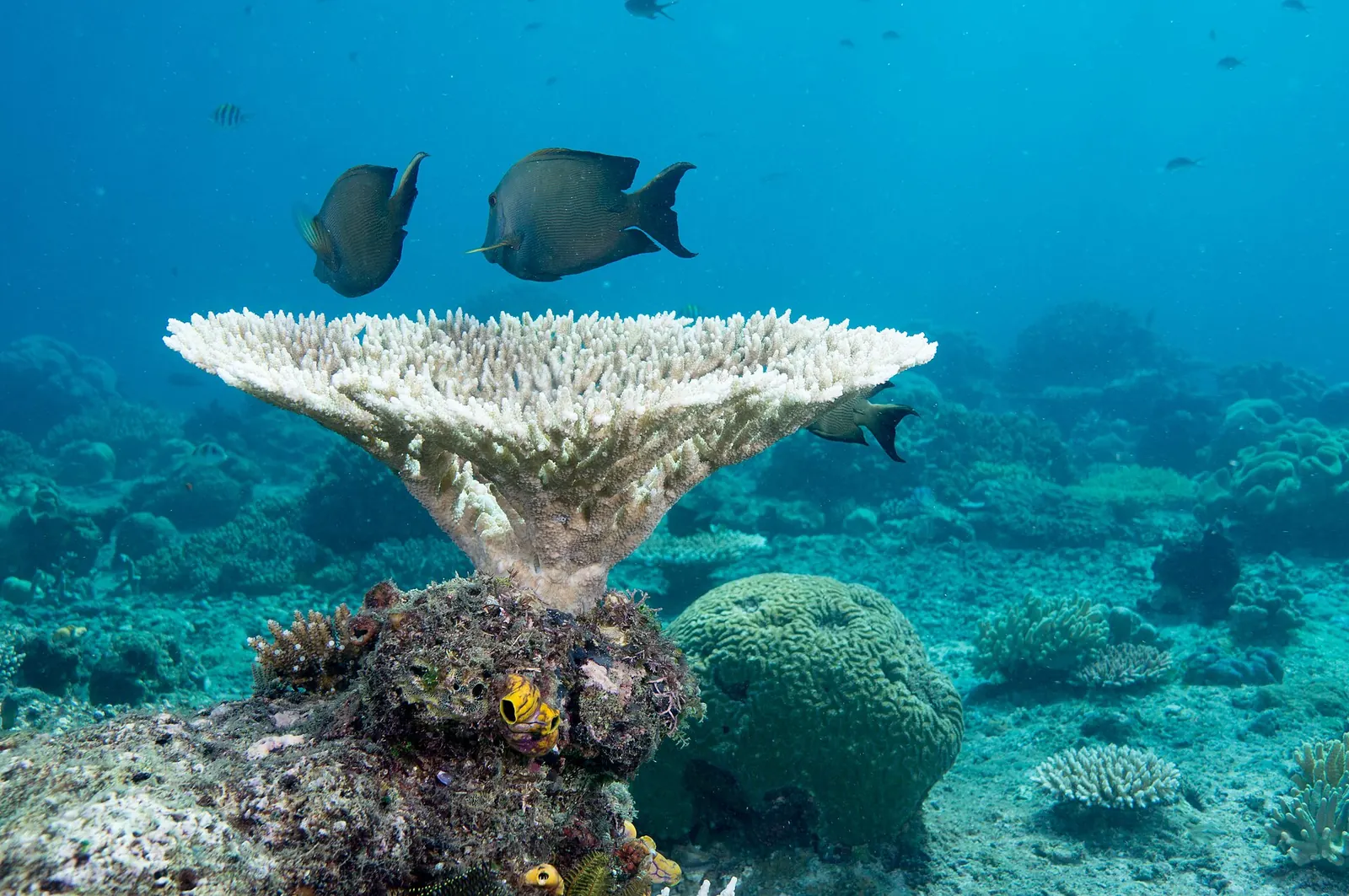
Over the past two weeks, the environment agency of Southwest Papua province found corals turning white at several monitoring points in Raja Ampat. Since no waste had entered the water, it sees warmer sea water as the likely cause. The agency warns of consequences for fish stocks and for dive tourism, on which the region depends heavily. The report gives no details on the extent or the species affected.
What we take from it
Raja Ampat is considered one of the most species-rich reef areas in the world – bleaching there is a clear signal for Indonesia. The report shows how directly reefs, fisheries and tourism are linked. And it confirms why we work with fragments of corals that have survived earlier heatwaves.
Researchers at NYU Abu Dhabi studied the coral Acropora pharaonis from the Arabian Gulf, one of the hottest seas in the world. Endozoicomonas bacteria, found in corals worldwide, produce steroid hormones as temperatures rise. These strengthen the coral's immune defences and help its cells survive – precisely when the coral can no longer make these compounds itself. The study was published in Nature Microbiology.
What we take from it
Heat tolerance lies not only in the coral itself but also in its microbial partners. A fragment from a surviving colony brings its microbiome along. The study thus supports our approach of using material from corals that have proven they can survive heat.
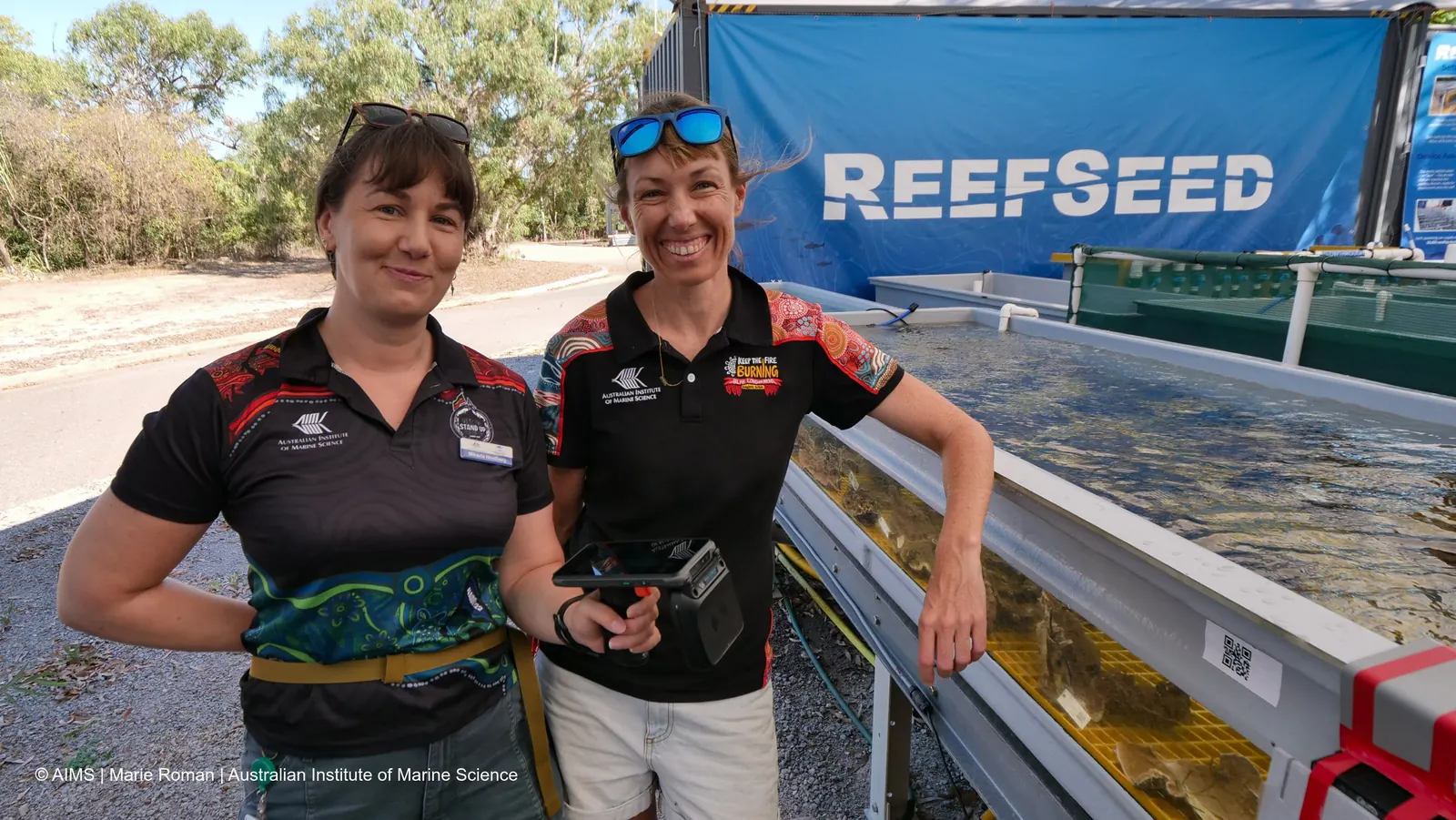
During the spawning season after the November full moon, the Great Barrier Reef hosts the largest reef restoration field trial. The government-funded programme led by the Australian Institute of Marine Science (AIMS) foresees up to 120,000 devices with young corals for 2026/27 – after 16,000 and 44,000 in the previous years. At its core are container systems in which millions of larvae can grow. Local coral farms, rangers and Traditional Owners are involved.
What we take from it
Sexual reproduction brings new genetic diversity to the reef – and at scale it works above all through partners: coral farms, research and local people. This confirms our model without a farm of our own, with collaboration at its centre.